
led bathroom mirror
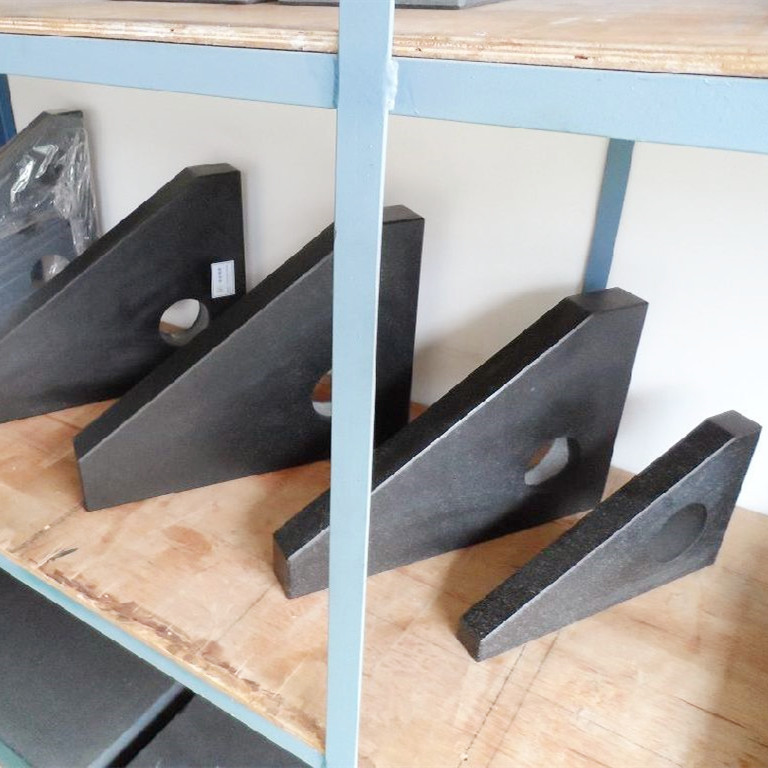
The Impact of Pad Vibration on Performance In the realm of technology and engineering, pad vibration is a critical topic that has garnered increasing attention. The phenomenon of vibration occurs when an object oscillates about a central point, and in the context of pads—whether they be found in machinery, sports equipment, or consumer technology—understanding vibration dynamics can significantly enhance performance and user experience. Understanding Pad Vibration Pad vibration can be described as the oscillatory motion that occurs when pads are subjected to external forces. This could be in the form of mechanical stress in machines, or the impact forces experienced during sports. For instance, in the automotive industry, brake pads are designed to create friction when activated, leading to vibrations that can affect driving performance and comfort. In technologies like gaming controllers or musical instruments, vibrations can either enhance or detract from user interaction, depending on their design and intended function. The Science Behind Vibration At its core, pad vibration is a mechanical phenomenon defined by frequency, amplitude, and damping. The frequency relates to how fast the vibrations occur, amplitude to the strength of these oscillations, and damping to how the vibrations dissipate over time. Engineers often employ various materials and designs to manipulate these factors for optimal performance. For example, softer materials can absorb more vibration energy, reducing discomfort and enhancing stability during operation. Applications in Sports Equipment One of the most profound applications of understanding pad vibration is in sports equipment design. Sports pads, such as those used in football, hockey, or cycling, are designed not just for protection, but also to manage and optimize vibrations . For instance, in cycling, seat pads are engineered to minimize vibrations from uneven surfaces. This not only enhances rider comfort but also improves performance by allowing for better energy transfer between the cyclist and the bike. pad vibration Moreover, in footwear, pads designed with specific vibrational characteristics can significantly affect athletic performance. Running shoes, for example, utilize vibration-dampening materials in the soles to absorb shocks, reduce fatigue, and improve overall efficiency. Athletes using these advanced designs report less strain and a lower risk of injury, demonstrating that thoughtful design concerning pad vibration can lead to significant performance enhancements. Innovations in Technology Recent advances in technology have opened new avenues for exploring and utilizing pad vibration. In the realm of consumer electronics, vibration feedback in devices—such as smartphones and gaming consoles—has become a key component of user interface design. By integrating vibration motors and sensors, manufacturers can create a more immersive experience, improving user engagement through tactile feedback. Furthermore, the development of smart materials and adaptive technologies is revolutionizing how we think about vibration management. For instance, some automotive manufacturers are beginning to use active suspension systems that can adjust in real-time to changing conditions, effectively controlling the amount of vibration transmitted through the vehicle's chassis. Challenges and Considerations Despite the numerous benefits associated with optimized pad vibration, there are challenges that developers and engineers must navigate. Uncontrolled vibrations can lead to a range of issues, including component wear, loss of efficiency, and user discomfort. Additionally, the cost implications of implementing advanced vibration management technologies can be significant, a factor that must be balanced with performance benefits. Conclusion In summary, pad vibration is a multifaceted subject that transcends various industries and applications. From sports equipment to consumer technology and automotive design, the impact of vibration on performance is profound. As research continues and technology evolves, we are likely to see even more innovative solutions that harness the benefits of pad vibration while mitigating its challenges. Ultimately, understanding and controlling pad vibration is not just about reducing discomfort—it's about unlocking new levels of performance and user satisfaction across an array of applications.
about
led bathroom mirror
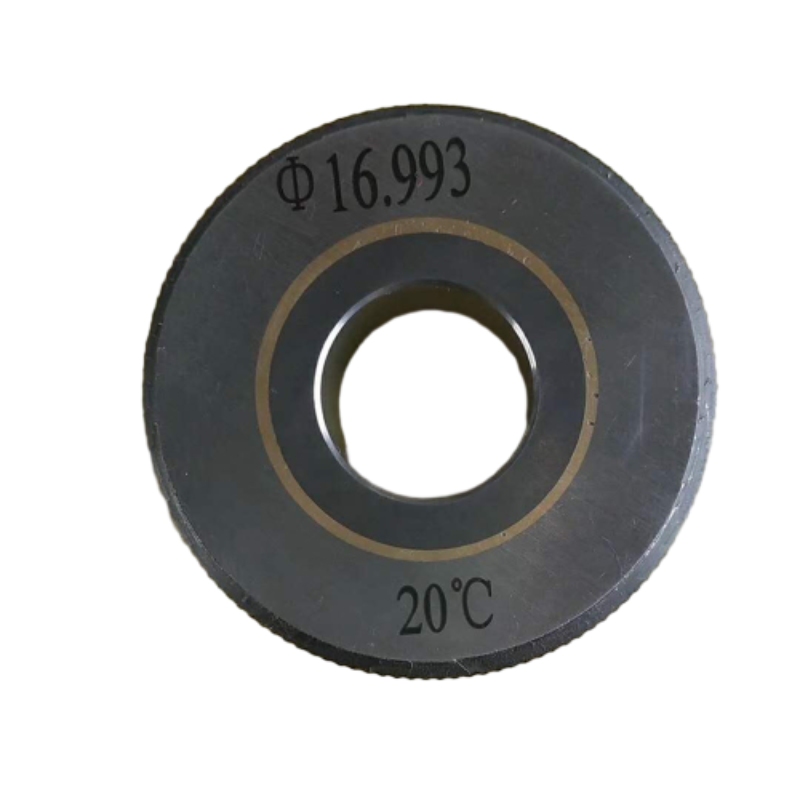
The small hole gauge is a precision measurement tool used for accurately sizing small holes in various industrial applications. It is a versatile and reliable instrument that is essential for ensuring precision and accuracy in the manufacturing process. The small hole gauge consists of a handle, a measuring head, and a set of blades or pins that can be adjusted to fit different hole sizes. The measuring head is inserted into the hole, and the blades or pins are expanded until they make contact with the walls of the hole. By tightening a screw on the handle, the blades or pins are locked into place, allowing for an accurate measurement of the hole diameter. One of the key advantages of the small hole gauge is its ability to measure the diameter of small holes with great precision. This is crucial in industries where tight tolerances are required, such as aerospace, automotive, and medical device manufacturing . The small hole gauge allows manufacturers to ensure that holes are drilled or machined to the correct size, which is essential for the proper functioning of the finished product. small hole gauge Another advantage of the small hole gauge is its ease of use. The gauge is simple to operate, with clear markings and a straightforward design that allows for quick and accurate measurements. This makes it a valuable tool for machinists, toolmakers, and quality control inspectors who need to measure small holes on a regular basis. In addition to its precision and ease of use, the small hole gauge is also highly durable and long-lasting. Made from high-quality materials such as hardened steel or tungsten carbide, the gauge is built to withstand the rigors of industrial use. With proper care and maintenance, a small hole gauge can provide accurate measurements for many years, making it a cost-effective investment for manufacturers. Overall, the small hole gauge is an essential tool for anyone working with small holes in a manufacturing setting. Its precision, ease of use, and durability make it a valuable asset for ensuring quality and accuracy in the production process. Whether measuring holes in metal, plastic, or other materials, the small hole gauge provides reliable and consistent results that help manufacturers meet their quality standards and produce high-quality products.
-

High quality industrial productsagement

High quality industrial products
View Details -

Meet the diverse needs of customers

Meet the diverse needs of customers
View Details -

Strict quality control

Strict quality control
View Details -

Top raw materials

Top raw materials
View Details -

Trusted supplier

Trusted supplier
View Details
Our application



news and information
Water Shutoff Valve - Essential Guide for Homeowners
Understanding Water Shutoff Valves Importance and Functionality Water shutoff valves play a crucial

Varausvärelypadin valmistajat ja niiden tarjoamat ratkaisut teollisuudelle
Tärinäpadsien valmistajat Innovaatioita ja laadukkaita ratkaisuja Tärinäpadsit ovat yhä tärkeämpiä e
welding table cost
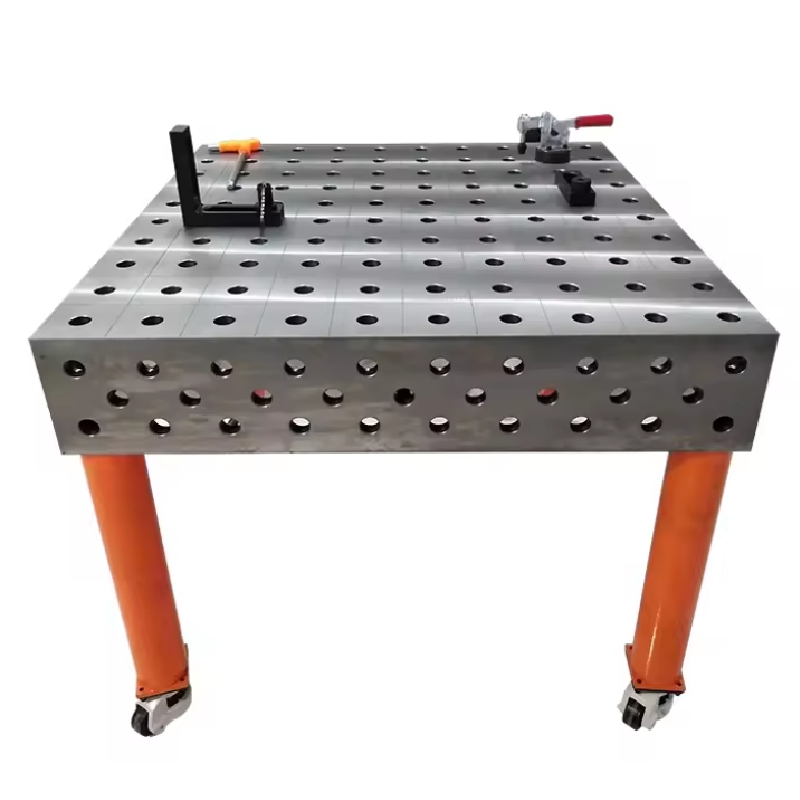
Understanding the Costs of Welding Tables When it comes to metalworking and fabrication, having the
 English